7 Things Nobody Tells You About Starting Over in Your 40s or 50s
Quick Answer: Starting over later in life genuinely takes longer to feel normal than people expect, comes with real grief for the old chapter even when the change was wanted, tends to reveal which relationships were built on convenience versus genuine connection, and requires learning to feel like a beginner again — all real, common experiences rarely discussed openly in the mostly upbeat ‘reinvention’ narrative.
The reinvention story sold around midlife transitions skips over most of what actually happens in the messy middle of one.

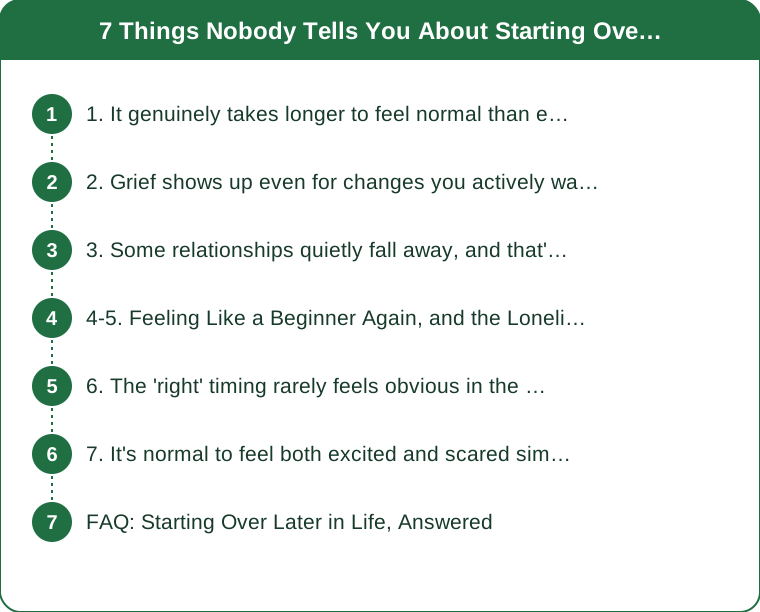
1. It genuinely takes longer to feel normal than expected
Most people underestimate the adjustment period for a major life transition, expecting to feel settled within weeks when it often takes 6 months to a year to genuinely feel at home in a new routine, city, or identity. This isn’t a sign something’s wrong — it’s the realistic timeline most narratives skip.
2. Grief shows up even for changes you actively wanted
Wanting a change doesn’t prevent genuine grief for what’s being left behind — a career identity, a familiar routine, a version of daily life that was comfortable even if not fulfilling. This grief is a normal, expected part of transition, not evidence of doubt about the decision.
3. Some relationships quietly fall away, and that’s often okay
Major transitions frequently reveal which friendships were built around shared circumstance (a workplace, a neighborhood, a life stage) rather than deeper connection — those relationships often naturally fade, which can feel painful but is a normal part of genuine life change, not a personal failing.

4-5. Feeling Like a Beginner Again, and the Loneliness of Explaining Yourself
4. You have to get comfortable feeling like a beginner again
Starting a new career, city, or chapter often means genuinely not knowing things you were expert-level confident in before, which can feel disorienting after years of competence — this discomfort is a normal, temporary part of any real transition, not a sign of having made the wrong choice.
5. Constantly explaining your choice gets exhausting
Repeatedly justifying a major life change to friends, family, or new acquaintances is a genuinely tiring, underdiscussed part of transitions — it’s reasonable to set boundaries around how much explanation you owe anyone.
6. The ‘right’ timing rarely feels obvious in the moment
Most people expect a clear, confident certainty before making a major change, but real transitions usually happen with genuine uncertainty intact — waiting for total clarity before starting over often means waiting indefinitely, since that clarity typically comes after starting, not before.
7. It’s normal to feel both excited and scared simultaneously
Both feelings coexisting is the actual normal experience, not a sign of ambivalence or doing something wrong — the cultural narrative around reinvention tends to flatten this into pure excitement, when genuine transitions almost always carry both emotions at once.
FAQ: Starting Over Later in Life, Answered
How do you know if the difficulty means you made the wrong choice?
Difficulty and grief are normal parts of any major transition — persistent, worsening distress well past the adjustment window is a different signal worth examining separately.
Is it normal to miss the old life even when the new one is better?
Yes — missing aspects of a previous chapter doesn’t contradict genuinely valuing or wanting the new one; both can be true simultaneously.
How long should I give a major transition before evaluating whether it’s working?
Most people benefit from waiting at least 6-12 months before making a full judgment, since the early adjustment period skews the experience more negatively than the settled version.
TL;DR:
- Real adjustment typically takes 6 months to a year, not the few weeks most expect
- Grief for the old chapter is normal even when the change itself was wanted
- Some relationships naturally fall away, revealing which were circumstance-based
- Feeling both excited and scared simultaneously is the actual normal experience
The messy, uncertain middle of starting over isn’t a sign of doing it wrong — it’s just the part the tidy reinvention story usually leaves out.
Keep Reading
This article is for general informational and styling purposes only. Fit, sizing, and product availability may vary.